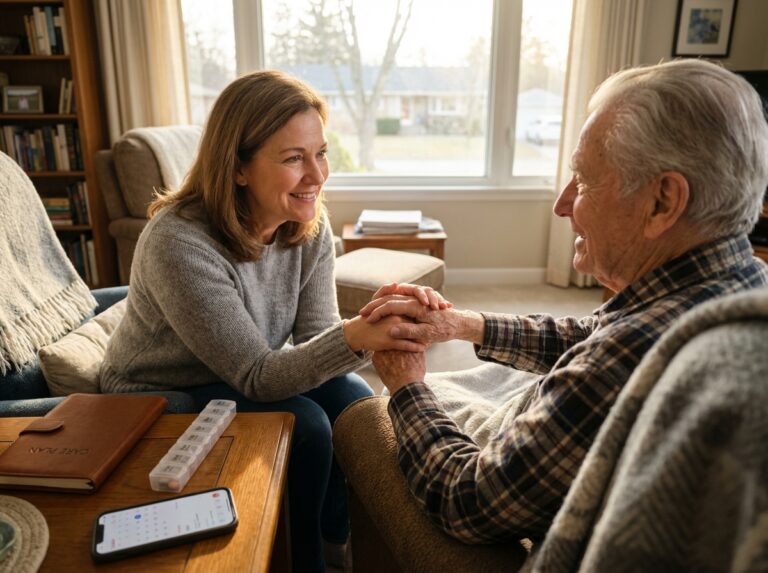
Engaging a loved one with dementia through purposeful, safe activities improves mood, slows decline, and reduces agitation—while also reducing caregiver stress. This article maps evidence‑based activity ideas you can do at home, how to tailor them by stage, and practical caregiver self‑care and mindset strategies to prevent burnout and sustain quality care in the U.S. context.
Why activity matters and core principles for safe engagement
When we think about activities for a person living with dementia, it’s easy to see them as just a way to pass the time. But they are so much more than that. Meaningful engagement is a powerful, non-drug approach that can profoundly improve quality of life for both your loved one and you. It’s about creating moments of connection, purpose, and calm in the midst of a challenging journey. The benefits are real and backed by growing evidence. Regular activities can help maintain cognitive function, lift mood, and reduce difficult behaviors like agitation and restlessness. Studies show that physical activity can cut behavioral symptoms by nearly 28%, and establishing a solid routine can reduce sundowning episodes by as much as 45%. A good day of engagement often leads to a better night of sleep, which is a victory for everyone in the house. Most importantly, shared activities strengthen your relationship, reminding you of the person you love beyond the diagnosis.
Several core philosophies guide this approach, and understanding them can transform how you plan your day. The most important is person-centered care. This means every activity is tailored to the individual’s unique history, preferences, and remaining strengths. It’s about knowing they loved gardening or always listened to jazz on Sunday mornings. This ties into the preserved abilities approach, which encourages us to focus on what someone can do instead of what they can no longer do. Maybe they can’t follow a recipe, but they can still stir the batter or wash vegetables. Other specialized methods like Montessori for dementia use hands-on, purposeful tasks to build confidence, while Namaste Care offers comfort through sensory experiences, especially for those in the later stages. Evidence also supports specific interventions. For instance, music therapy is proven to reduce agitation, while cognitive stimulation can help maintain mental skills. The key is to see activities not as a test, but as an invitation to connect.
To make engagement successful and safe at home, it helps to follow a few core principles. These aren’t rigid rules but flexible guidelines to reduce frustration and create positive experiences.
- Simplify Tasks
Break down any activity into its smallest possible components. Instead of “let’s get dressed,” try “let’s put on your socks.” Present one item and one instruction at a time. - Use Cues and Modelling
Use verbal, visual, or physical cues. Point to the sleeve, hold up the soap, or start the motion yourself. Showing is often more effective than telling. - Reduce Distractions
A quiet environment is essential. Turn off the TV or radio, clear the table of clutter, and focus on one single activity. This helps prevent overstimulation and confusion. - Prioritize Safety and Dignity
Always ensure the environment is safe. This includes removing tripping hazards or sharp objects, ensuring good lighting, and supervising any activity with small pieces. Use non-toxic materials and choose seated options whenever possible to minimize fall risks. Equally important is protecting their dignity. Never treat them like a child. Offer choices when possible and always approach them with respect. - Adjust Expectations
Dementia changes day by day, even hour by hour. An activity that worked yesterday might not work today. Be prepared to be flexible, shorten the activity, or switch to something else entirely. Success is about the moment, not the outcome.
Before starting any activity, run through a quick mental checklist. It can help you choose the right activity for the right moment and prevent unnecessary stress.
Is This Activity a Good Fit? A Quick Checklist
- Physical Ability Does this activity match their current physical strength, balance, and dexterity? Can it be adapted for sitting?
- Cognitive Load Is it simple enough to follow? Does it have too many steps or rules? The goal is engagement, not a test.
- Safety Risks Are there any potential hazards? Think about sharp tools, small objects that could be swallowed, or tripping risks.
- Meaningfulness Does this connect to their past interests, career, or hobbies? An activity with personal meaning is far more likely to be engaging.
Knowing when to stop or change course is just as important as knowing what to do. If you notice signs of distress like frowning, pacing, restlessness, or verbal frustration, it’s a signal that the activity is causing more harm than good. Don’t push through it. The best response is to stop calmly, offer reassurance, and gently redirect their attention to something soothing, like listening to a favorite song or simply sitting quietly with you. The goal is always connection and comfort, not completion.
Practical home activity ideas by ability and stage
Finding the right activity means matching it to your loved one’s current abilities, not what they could do last year or even last week. What works today might not work tomorrow, and that’s okay. The goal is connection and calm, not performance. Below is a catalog of ideas, broken down by the general stages of dementia. Use these as a starting point and adapt them to fit the unique person you care for.
Activities for Early-Stage Dementia
In the early stage, the focus is on maintaining skills, purpose, and engagement. Activities can be more complex and build on lifelong interests.
-
Cognitive: Reminiscence with a Photo Album
Objective: To spark conversation and reinforce a sense of identity. This activity helps connect past memories to the present. Setup: Find a quiet, well-lit place to sit together. Bring out an album or a small box of loose photos. Start by looking at the photos yourself and making a simple comment, like, “I’ve always loved this picture of you from the beach.” Materials: A photo album or shoebox of pictures. For a low-cost option, you can print favorite photos from your phone or computer. Safety: Ensure there are no sharp staples or deteriorating plastic sleeves that could break off. Time: 15 to 30 minutes. Gauging Interest: Look for them leaning in, pointing, smiling, or starting to share a memory. If they just want to look quietly, that is a success too. Troubleshooting: If a photo brings up sadness, validate their feelings. Say, “It’s okay to miss them. That was a very special day.” Then gently guide them to a different photo. For vision impairment, use large, high-contrast black-and-white photos. For hearing loss, sit face-to-face and speak clearly. -
Sensory: Curate a Personalized Music Playlist
Objective: To evoke positive emotions and reduce anxiety using the powerful connection between music and memory. Setup: Ask them about their favorite songs or artists from their teens and twenties. Use a streaming service or an app to build a playlist. Play it on a simple device they can manage, like a smart speaker or a large-button player. Materials: A phone, tablet, or simple music player. Time: 20 to 30 minutes. Cultural Adaptation: This is highly personal. For a family member from a specific cultural background, include music from their home country or in their native language. A playlist of salsa for someone with Cuban roots or hymns for a person of faith can be deeply comforting. -
ADL-Linked: Cooking a Simple Recipe Together
Objective: To foster a sense of contribution and maintain fine motor skills. Setup: Choose a familiar recipe like chocolate chip cookies or a simple fruit salad. Pre-measure the ingredients to reduce complexity. Work side-by-side at a clean counter. Materials: Ingredients, mixing bowls, and safe utensils. Safety: You should handle all sharp knives and operate the stove or oven. Assign tasks like stirring, washing vegetables, or cracking eggs into a separate bowl. Time: 30 to 45 minutes. Troubleshooting: If they become frustrated with a step, gently redirect them to a different, simpler task. The focus is on the shared experience, not a perfect result. -
Physical: Short Walks in a Familiar Place
Taking a slow, 15-minute walk around the block or in a local park can improve mood and physical health. Ensure they wear sturdy, comfortable shoes. -
Creative/Social: Working on a Large-Piece Jigsaw Puzzle
Puzzles with 100 to 300 large pieces can provide great cognitive stimulation. Choose a bright, clear image of something they love, like animals or a landscape.
Activities for Middle-Stage Dementia
As the condition progresses, simplify activities. Focus on repetitive, familiar motions and sensory experiences. Success is measured in moments of calm engagement.
-
ADL-Linked: Folding Laundry
Objective: To engage in a purposeful, familiar task that requires minimal instruction. Setup: Give them a small basket of easy-to-fold items like hand towels, washcloths, or napkins. Sit with them and start folding one yourself to model the action. Materials: A small laundry basket and a few simple items. Safety: This is a very safe activity. Time: 10 to 20 minutes. Gauging Interest: A steady, calm rhythm of folding is a good sign. Don’t correct their technique. The goal is the process, not perfectly folded towels. Troubleshooting: If they seem unsure, use hand-over-hand guidance to help them through the motion for the first one or two items. If they start unfolding, that’s okay. It’s still an activity. -
Sensory: Exploring a Tactile Box or Apron
Objective: To provide calming sensory stimulation and keep hands purposefully occupied. Setup: Fill a small box or sew items onto a lap apron. Include things with interesting textures. Materials: A shoebox filled with fabric swatches (velvet, corduroy, silk), a smooth stone, a large zipper pull, a soft brush, or a string of large wooden beads. Time: 5 to 15 minutes, as interest holds. Adaptation for Mobility Limits: This is an excellent activity for someone who is often seated or in a wheelchair, as it can be done right from their lap. -
Physical: Dancing or Swaying to Music
Objective: To encourage movement and joy. Setup: Play upbeat, familiar music from their past. If they are able to stand, invite them to dance. If not, sit opposite them, hold their hands, and sway to the music together. Materials: A music player. Time: 5 to 10 minutes. Gauging Interest: A smile, tapping foot, or relaxed body language. Troubleshooting: If they seem agitated by the music, switch to something slower and calmer or turn it off. -
Cognitive: Simple Sorting Tasks
Sorting items by color or type can be satisfying. Use poker chips, large buttons, or even silverware (sorting forks from spoons). -
Creative: Painting with Water
Give them a paintbrush and a small cup of water to “paint” on dark construction paper. It’s mess-free and the image disappears as it dries, offering a clean slate.
Activities for Late-Stage Dementia
In the late stage, communication becomes primarily non-verbal. Activities should focus entirely on comfort, sensory input, and gentle connection.
-
Sensory: Gentle Hand Massage with Scented Lotion
Objective: To provide comfort, connection, and calm through touch and scent. Setup: Find a warm, quiet moment. Gently rub a small amount of lotion into their hands using slow, steady strokes. Materials: A pleasant-smelling lotion, like lavender or another calming scent. Ensure it’s a scent they find pleasant and that they have no skin allergies. Safety: Watch their facial expression for any sign of discomfort. Never force the interaction. Time: 5 to 10 minutes. Gauging Interest: A relaxed hand, calm breathing, or closing their eyes peacefully are all positive signs. Troubleshooting: If they pull their hand away, stop immediately. You can try again later or simply sit with them, holding their hand without movement. -
Creative/Social: Reading Aloud
Objective: To soothe with the familiar cadence of your voice. Setup: Sit close in a comfortable chair. Read from a book of poetry, a favorite scripture, or even a children’s book with simple rhythms. The content matters less than the gentle sound. Materials: A book with simple language. Time: 10 to 15 minutes. Adaptation for Hearing Loss: Sit on the side of their “good” ear or use a simple amplification device if available. -
Physical: Gentle Range-of-Motion Movements
While they are seated or lying down, gently and slowly move their arms and legs to help prevent stiffness. You can lift an arm slowly or bend a knee. This can be done to very soft, instrumental music.
Designing routines and integrating caregiver self care
A predictable rhythm can be a lifeline in the unpredictable world of dementia care. It’s not about creating a rigid, military-style schedule but a flexible framework that provides comfort and reduces anxiety for both you and your loved one. A well-designed routine anchors the day, making space for meaningful connection while also carving out essential moments for your own recovery. The goal is to build a structure that serves you, not the other way around.
Start by sketching out a weekly plan. Think in terms of balance. Don’t try to pack every day with stimulation. Instead, alternate between more engaging activities and periods of quiet rest. For example, Monday might feature a cognitive activity like a simple puzzle, while Tuesday focuses on a physical one like seated exercises. Rotate the activities you learned about previously to keep things fresh and prevent boredom, which can reduce resistance. The key is consistency in the *flow* of the day, not in the specific activity.
A daily template can bring this structure to life. It helps integrate activities, meals, medication, and crucial downtime, which is proven to reduce sundowning episodes by as much as 45%.
- Morning (8 AM – 12 PM)
After breakfast and medications, this is often a time of higher energy. Plan a short, 20-minute activity that is mentally engaging but not frustrating, like sorting colorful socks or looking through a photo album. Link it to an everyday task, such as folding towels together after you’ve done the laundry. - Midday (12 PM – 3 PM)
Lunch should be followed by a designated quiet period. A 60-to-90-minute nap or simply resting in a quiet room with soft music can be restorative. This downtime is critical for preventing afternoon agitation. Avoid scheduling demanding tasks during this window. - Afternoon (3 PM – 6 PM)
As energy wanes, shift to sensory or physical activities. A short, supervised walk, listening to a favorite music playlist, or engaging with a tactile box can be calming. This is a good time for a healthy snack and hydration. - Evening (6 PM – 9 PM)
The focus here is on winding down. After a simple dinner, create a calming pre-bedtime ritual. This could involve a gentle hand massage with lotion, aromatherapy with lavender, or reading a familiar story aloud. Dim the lights and minimize noise from TVs or radios.
To make the routine stick, use simple prompts. A large-print checklist on the refrigerator or a small whiteboard with the day’s one or two main activities can provide a visual anchor. Personalize the routine based on your loved one’s lifelong habits. If they always read the newspaper after breakfast, incorporate that, even if they are only looking at the pictures.
This routine is your support structure, but it will collapse if you don’t build support for yourself. Preventing caregiver burnout isn’t a luxury; it’s a necessity. With over half of family caregivers reporting burnout, integrating self-care is non-negotiable.
Your Burnout Prevention Toolkit
Start with micro-self-care. These are tiny, two-to-five-minute actions you can take throughout the day. When you feel stress rising, step into another room and practice box breathing: inhale for four counts, hold for four, exhale for four, hold for four. Do five-minute stretching sessions while the kettle boils. Find a mindfulness anchor, like focusing completely on the warmth and smell of your morning coffee for sixty seconds. These small acts can reduce stress hormones and give your nervous system a much-needed break.
Establish a weekly self-care ritual. This is protected time, even if it’s just one hour. Delegate care to another family member or use respite care to ensure this time is uninterrupted. Respite can come from in-home aides or adult day centers, and using it just four hours a week can cut burnout risk by 40%. Setting boundaries is part of this. You must learn to say no to protect your energy. Here are some scripts:
To say no to an external request: “Thank you for the invitation, but my caregiving schedule doesn’t allow me to take on anything extra right now. I hope you understand.”
To ask a family member for help: “I’m finding it difficult to keep up with the grocery shopping and my own appointments. Could you take over the shopping for this month, or sit with Mom for two hours every Tuesday afternoon so I can go to my doctor?”
Leverage technology and community resources. Use telehealth for your own medical appointments to save travel time. Join an online support group through the Alzheimer’s Association to connect with others who understand. For time management, try the Pomodoro Technique: work on a task for 25 minutes, then take a 5-minute break. Finally, create a backup plan. Identify a neighbor, friend, or family member who can step in for a short time in an emergency. Write down key information—medication lists, doctor’s numbers, daily routine—and keep it accessible.
You must also monitor your own stress. Watch for key signs of burnout, which include deep emotional and physical exhaustion, feeling constantly irritable or hopeless, withdrawing from friends, and changes in your sleep patterns. If these symptoms last for more than two weeks, it’s time to seek professional mental health support. If you recognize these signs, act immediately: tell someone you trust, take a five-minute “emergency” break to step outside or just breathe, and make one call for help to a friend, your doctor, or a caregiver support line. Your primary care physician is a good starting point. Also, connect with your local Area Agency on Aging. They are a crucial hub for finding local resources, support programs, and information on respite care options in your community. Working with clinicians and community programs isn’t a sign of failure; it’s a sign of strength and smart resource management.
Common questions family caregivers ask
How do I start an activity when my loved one always says no?
Resistance is common, often stemming from confusion, fear of failure, or simply not understanding the request. Instead of asking directly, try a more gentle approach. Begin the activity yourself near them; their curiosity might draw them in. You can also frame it as a request for help, which taps into their sense of purpose. For example, say “Could you help me fold these towels?” rather than “It’s time for an activity.” Offering a simple choice between two preferred options, like listening to music or looking at a photo album, can also provide a sense of control. Remember to choose a time of day when they are most rested and content, as timing can make all the difference.
Their attention span is so short. How can I adapt activities?
Focus on success in the moment, not on duration. Activities that last just five to ten minutes are perfectly fine and can be very effective. Break down any task into single, manageable steps. For example, instead of “Let’s paint,” try “Let’s hold this brush,” followed by “Let’s dip it in the blue paint.” Have a few different simple activities ready so you can pivot quickly if you sense them losing interest. Sensory experiences, like handling textured fabrics, smelling different spices, or listening to one favorite song, are excellent for short attention spans because they provide immediate engagement without complex rules.
We always end up arguing during activities. How can I manage challenging behaviors?
The key is to let go of the outcome and focus on the process. If they are putting a puzzle piece in the wrong spot, it doesn’t matter. The goal is connection, not perfection. Avoid correcting them. Instead, use validation to acknowledge their feelings. You can say, “This seems really frustrating.” If agitation begins, redirect their attention gently to something else entirely. Offer a favorite snack or suggest looking out the window. Your calm presence is the most important tool. If you remain calm, it helps them feel secure and de-escalates the tension.
Can activities ever be harmful? When should I stop?
Yes, an activity becomes counterproductive if it causes significant emotional distress. Stop immediately if your loved one shows signs of anxiety, anger, or deep frustration that cannot be easily redirected. An activity that highlights what they can no longer do can be emotionally damaging, leading to feelings of failure and withdrawal. If they physically push an item away or repeatedly say “no,” respect their boundary. It’s not a personal rejection; it’s a signal that the activity isn’t right for them at that moment.
What are some simple, low-cost activity kits I can prepare?
You don’t need expensive supplies. Create a Sensory Box with a collection of items offering different textures, like a smooth stone, a soft piece of velvet, a rough pinecone, and a ball of yarn. A Sorting Kit can be made with a muffin tin and large, colorful hardware nuts, buttons, or even different shapes of pasta to sort. For a Reminiscence Kit, gather old photos, a familiar tool they once used, or a vintage magazine from their young adult years to spark conversation and positive memories.
How can I get a break? Does Medicare or Medicaid help pay for respite care?
This is a critical but often confusing topic. In general, traditional Medicare does not pay for ongoing respite care. It may cover short-term respite for someone under hospice care. Medicaid, on the other hand, is the primary government payer for long-term care services. Many states offer Medicaid Home and Community-Based Services (HCBS) waivers, which can fund services like adult day care or in-home aides that provide you with a break. Eligibility for these programs is strict and based on both medical need and financial status. Your best first step is to contact your local Area Agency on Aging. They offer free counseling to help you understand the specific programs available in your state.
My siblings don’t help. How can I get reluctant family members involved?
Vague requests like “I need help” are easy to ignore. Instead, be specific and assign concrete, time-limited tasks. For example, “Can you call Dad every Tuesday at 7 PM?” or “Can you bring over dinner this Friday?” This makes the request manageable. It can also help to explain the direct impact on your well-being, framing it not as a complaint but as a necessity. A simple script could be, “I need to take a two-hour break on Saturday to recharge. Could you sit with Mom during that time so I can continue to provide her with the best care?”
Where can I find support, especially if it’s urgent?
You are not alone, and help is available 24/7.
- For Immediate Crisis Support: The Alzheimer’s Association 24/7 Helpline (800-272-3900) is an essential lifeline. Trained staff can provide in-the-moment advice, crisis assistance, and emotional support.
- For Ongoing Local Support: Your local Area Agency on Aging (AAA) is the gateway to community resources like respite grants, support groups, and meal services. Find yours through the national Eldare Locator website. Local chapters of the Alzheimer’s Association also offer support groups and educational programs that connect you with a community of peers who truly understand.
Conclusions and next steps for caregivers
Navigating this path of caregiving is a journey of constant adjustment, but you are not navigating it without a map. The strategies we’ve explored are your tools for creating a more manageable, connected, and compassionate home environment. Let’s bring together the most important takeaways and outline a clear path for your next steps.
The core principle is this: purposeful activities are a lifeline for both you and your loved one. For the person with dementia, these moments of engagement provide a sense of purpose, preserve cognitive function, and maintain dignity. Studies show that well-designed activities can boost mood and reduce agitation. For you, the caregiver, these shared experiences transform difficult hours into opportunities for connection, reducing stress and the frequency of challenging behaviors. It’s the difference between simply passing the time and making the time count.
Success hinges on tailoring every interaction. An activity that delights someone in the early stages, like a 30-minute puzzle, may cause frustration in the middle stage. The key is to adapt to their current abilities, not what they could do last month or last year. This means simplifying steps, focusing on the process rather than the outcome, and celebrating small successes. A predictable daily structure, or routine, is your greatest ally in reducing anxiety. Establishing a consistent rhythm for meals, activities, and rest can cut sundowning episodes by as much as 45%. Within that routine, rotating activities prevents boredom and keeps the mind stimulated. Think of it as a stable framework with flexible, engaging content.
This entire structure is supported by one critical foundation: your own well-being. With over half of family dementia caregivers reporting burnout, self-care is not an indulgence; it is an essential part of the care plan. You cannot pour from an empty cup. This means intentionally building moments of rest into your day, even if it’s just five minutes of quiet breathing. It means setting boundaries to protect your energy and leaning on your community for support. Respite care, whether from family, friends, or a professional service, is vital. Research shows that just four hours of respite a week can decrease your risk of burnout by 40%. Asking for and accepting help is a strategic act of self-preservation that enables you to continue providing loving care.
Feeling overwhelmed by all this information is normal. The goal isn’t to implement everything at once. It’s about taking small, sustainable steps. Here is a simple action plan you can use to make meaningful progress in the coming week.
- Try one simple, failure-proof activity. This week, set aside 10 minutes to listen to a favorite old song together. Don’t ask questions. Just listen and observe. Music is a powerful tool that often connects when words fail, and studies show familiar music can boost social interaction. The goal is a shared, pleasant moment, nothing more.
- Make one small scheduling tweak. Look at your daily routine and find one point of friction. Is the late afternoon often difficult? Try introducing a simple, calming sensory activity, like folding warm laundry or kneading dough, about an hour before that time. A small adjustment to the schedule can preempt agitation before it starts.
- Introduce a self-care micro-habit. Choose one tiny action to do just for you each day. For example, before you enter your loved one’s room in the morning, stand at the door and take three slow, deep breaths. This small ritual takes less than a minute but creates a mental buffer and grounds you for the day ahead.
- Make one specific delegation ask. Think of one task that drains your time or energy. Instead of a vague plea for help, make a concrete request to a family member or friend. Try this script: “Would you be able to call Mom for a 15-minute chat on Tuesday afternoon? It would give me a guaranteed break to make some important phone calls.” Specific, small asks are much easier for people to say yes to.
- Make one contact for support. You do not have to have a crisis to reach out. This week, visit the Alzheimer’s Association website or call their 24/7 Helpline at 800-272-3900. Your goal is simply to learn what one local resource is available to you. Knowing who to call is a powerful first step.
This journey is not about creating perfect days. It is about finding moments of peace, connection, and grace amidst the challenges. There will be days when activities fall flat and routines are disrupted. That is okay. Progress is not a straight line. Every attempt you make to connect, every moment you take for yourself, is a victory. Lead with compassion, for your loved one and, most importantly, for yourself. You are doing incredible work, and the small steps you take this week will build the resilience you need for the road ahead.
References
- 2024 Alzheimer’s Disease Facts and Figures – Alzheimer’s Association — An estimated 6.9 million Americans age 65 and older are living with Alzheimer’s in 2024. This number could grow to 13.8 million by 2060.
- 2024 Alzheimer’s disease facts and figures – PMC – PubMed Central — The official report published in Alzheimer’s & Dementia, the journal of the Alzheimer’s Association, providing comprehensive statistics on prevalence, incidence, and mortality.
- Behavioral interventions for dementia – American Psychological Association — An overview of non-pharmacological approaches to manage behavioral symptoms associated with dementia, emphasizing person-centered care.
- Risk and future burden of dementia in the United States – NIH — Analysis projecting the growth of dementia cases in the U.S. over the next four decades and the factors influencing risk.
Legal Disclaimers & Brand Notices
General Medical Disclaimer: The content provided in this article is for informational purposes only and is not intended to be a substitute for professional medical advice, diagnosis, or treatment. Always seek the advice of a qualified healthcare provider, such as a physician, geriatric specialist, or mental health professional, with any questions you may have regarding a medical condition, treatment plan, or changes to medication or care routines. Never disregard professional medical advice or delay in seeking it because of something you have read in this publication.
Trademark Acknowledgement: All product names, logos, and brands mentioned or referenced in this article are the property of their respective owners. Their use does not imply any affiliation with or endorsement by them.